
For everyday concrete planter care, keep the drainage path clear, check for collected water, move heavy pieces before filling them and clean the surface as instructed. Prepare for freezing weather by preventing trapped standing water and following your model’s seasonal guidance.
Use this guide alongside the original KANTE product guides and safety notices. For a damaged planter or an unclear instruction, submit the details to KANTE Support before continuing.
WARNING – PLANTING USE ONLY – NOT A FIRE PIT
These planters are designed for planting purposes only. Do not use as a fire pit, fire bowl, fireplace, or for any open-flame or high-heat application.

Placement inspiration only. This scene does not identify a particular model; follow the instructions for your own planter.
1. Inspect and position the planter before filling
Unpack the planter and inspect its body, rim and supplied parts before adding soil. Locate the drainage opening and any supplied plug. If you notice damage, photograph the whole planter and the area concerned, avoid sharp edges and contact Support if its condition is uncertain.
Choose the final position while the planter is empty. Keep doors and walking routes clear, allow access for watering and check where water will drain. Set up any indoor moisture protection before planting. Planters are not seats, steps or toys; keep children from climbing on or playing with them.
2. Keep drainage clear and protect indoor surfaces
Plan for water to leave the planted container and for collected water to be removed. Keep drainage openings clear and avoid prolonged standing water.
- Before planting: identify the opening and follow the model’s instructions for its plug and intended setup.
- After watering: check the tray or outer container and empty collected water as appropriate.
- Indoors: use a suitable tray or moisture protection and check the surface underneath. A rubber plug does not guarantee that floors or furniture will remain dry.
The Black Plastic Planter Set has removable inner nursery pots with their own drainage openings. Check for water collected in the outer planter after watering, and follow that model’s separate instructions.
Use Check Drainage After Watering for a short routine covering the drainage path, collected water and nearby surfaces.
3. Prepare for freezing conditions
Before temperatures fall, check the drainage path and remove collected water where practical. Water trapped inside a planter can expand as it freezes and cause damage. The supplied guidance calls for emptying or protecting the planter from standing water in freezing conditions.
During extreme snow or freezing weather, use an appropriate sheltered or indoor location when practical and consistent with the product instructions. Arrange any move safely before the planter becomes difficult to handle. An outdoor-use description does not provide a universal temperature rating or a guarantee against trapped ice.
Recheck the setup after rain and during seasonal changes. For model-specific instructions, open the care and safety guides.
4. Move your planter safely
Move a concrete planter while empty whenever possible, and organize help before lifting a heavy piece.
- Choose the new position and clear the route, including doorways and steps.
- Use two people or suitable equipment for heavy pieces.
- Do not lift by the rim, drag, roll, drop or strike the planter.
- After setting it down, inspect it and confirm the drainage arrangement before filling.
If a planter has been dropped or struck, stop and check its condition before further handling. Keep children away from damaged pieces and avoid sharp edges. Send Support photos if you are unsure about a crack or chip.
5. Clean your planter and check its condition
Wipe the surface with a damp cloth. Outdoor planters can be rinsed occasionally, following any additional instructions supplied with the model. Keep the drainage opening clear as part of the check.
If you notice a mark, record its location and when it appeared. Note any recent impact, standing water or freezing exposure, and take an overall photograph and a close-up. Slight surface variation and a crack after an impact are different observations; Support can review the information when the condition is unclear.
Read the supplied instructions before applying a coating or attempting a repair that changes the product. A routine sealant treatment should not be assumed to be required.
6. Keep the instructions and request support online
Keep the original product instructions with your order confirmation and model details. For a product issue, submit an online support request with the purchase platform, order number, purchase date, model and a clear description. Include photos and any relevant drainage, weather or handling details so RM’s customer service team can review the request.
The team will review the information and confirm the available next steps. Refunds, replacements and returns depend on the review and applicable purchase-channel requirements. Offices and warehouses do not provide consumer visits or in-person support; do not ship or deliver a product to a company address without instructions from the team.
Find the product you are caring for
Use the exact model to find its listed parts and product details. These examples include concrete planters and the separate plastic set with removable inner pots.
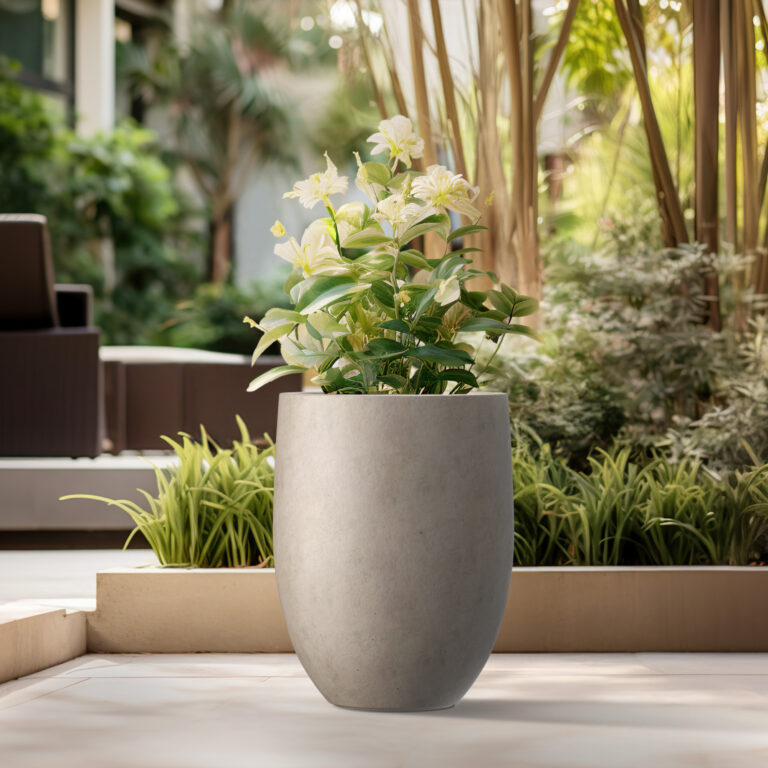
Concrete
21.7-inch Tall Round Concrete Planter
Weathered Concrete. One planter; 15.9 in D × 15.9 in W × 21.7 in H; 13.7 in top opening; drainage hole and rubber plug.
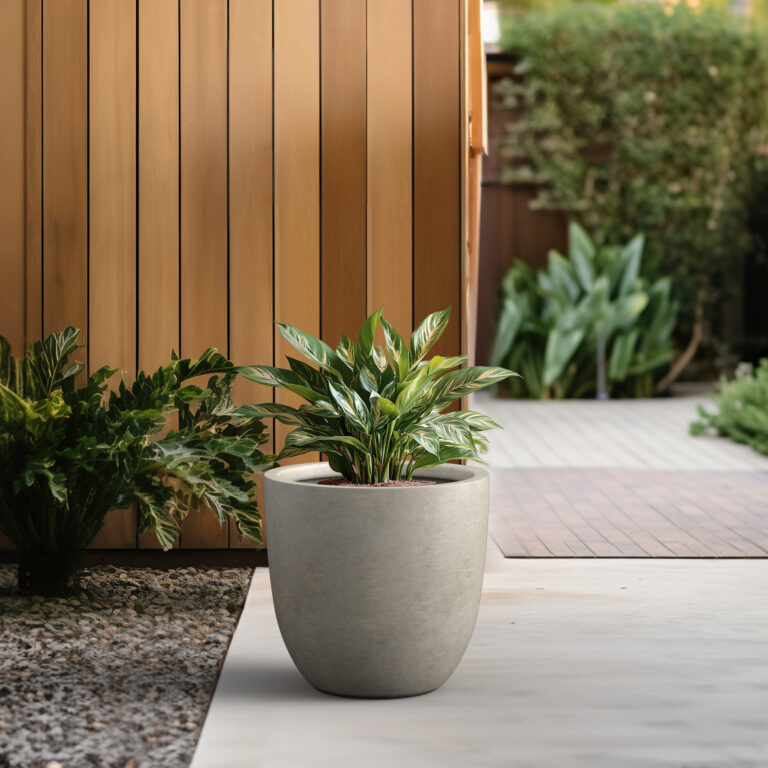
Concrete
18-inch Concrete Bowl Planter
Weathered Concrete. One planter; 18 in diameter; drainage hole and rubber plug.
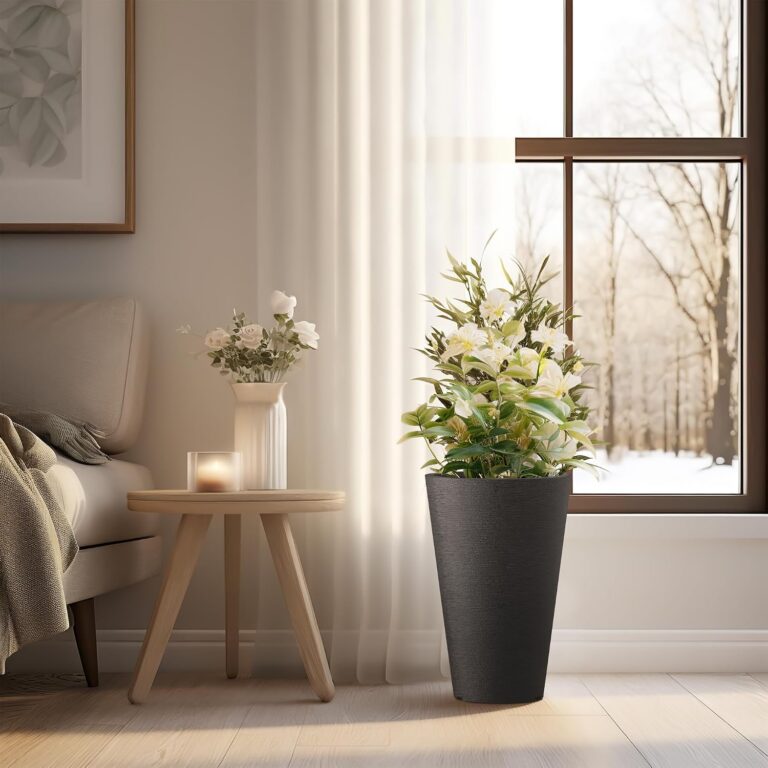
Plastic
13-inch Plastic Planters — Set of 2
Black. Two planters; each 13 in high; removable inner nursery pots with drainage openings.
Common questions
Should I leave water standing inside a planter?
Avoid prolonged standing water and keep drainage openings clear. Check and empty collected water after watering, especially indoors. These planters should not be repurposed as water features.
Can I leave a concrete planter outside in freezing conditions?
Follow the instructions for your model. Protect it from trapped standing water: freezing water can expand and damage the planter. Emptying it or using a suitable sheltered location may be needed, particularly during extreme freezing weather.
What should I do if I find a crack or chip?
Handle the piece carefully and avoid sharp edges. Keep children away from damaged pieces and contact Support if you are unsure about the condition. Include a clear overall photo, a close-up and details about when the issue appeared.
Where can I find the instructions or ask a question?
Open Product guides and safety notices for the original PDFs. Use the online support form or email customerservice@rosemeadhomegarden.com for a question about your model. Consumer visits and product drop-offs at offices or warehouses are not available.
Continue with another guide
The Concrete Planter Buying Guide
Design & Styling
Find instructions or get help
Read the supplied guides or send a question about your particular KANTE planter.